Discover Montenegro — small, stunning, high-potential European country at the Adriatic coast

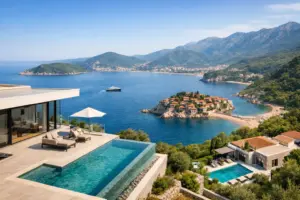
Nestled between the Adriatic Sea and dramatic mountains, Montenegro is a compact country that blends Mediterranean coastline, historic towns and rapidly developing luxury marina projects. For international investors its appeal is simple: lifestyle, tourism growth, relatively competitive prices compared with Western Europe, and a stream of high-profile coastal developments attracting international buyers.

🇲🇪 Country at a glance

  • Official name: Montenegro (Crna Gora)


  • Montenegro size & geography: ~ 13,812 km² in area.


  • Borders: Montenegro shares land borders with Bosnia & Herzegovina, Croatia, Serbia, Kosovo, and Albania; has a coastline on the Adriatic Sea.


  • Montenegro coastline & terrain: Coastal strip along Adriatic (approx. 293–294 km of coastline) plus rugged mountains inland.


  • Montenegro capital & major cities: Administrative capital is Podgorica; historical/cultural capital is Cetinje.


  • Montenegro currency: The official currency is the euro (€), even though Montenegro is not (yet) a full member of the Eurozone or EU.


  • International & security integration: Montenegro is a member of NATO (joined in 2017) — which adds a degree of political-security stability attractive to many foreign investors.


  • Accessibility & connectivity: Its Adriatic coast, proximity to other Balkan and Mediterranean countries, and growing transport infrastructure make it accessible by road, sea, and increasingly air/sea — supportive for tourism and real-estate demand.


Why these matter for investors:

  • Montenegro’s geography — Adriatic coastline + mountains + small area — gives it a unique mix of seaside, resort, and nature-tourism appeal.
  • Using the euro simplifies financial/legal transactions for many foreigners.
  • NATO and relative political stability improve investor confidence.
  • Good connectivity (by sea, road; and proximity to European markets) supports both tourism demand and long-term value appreciation.

Demographics & Ethnic Composition


  • The population of Montenegro is approximately 620,000–630,000 (2023 census: 623,633).
  • Ethnic composition (2023 census): about 41.1 % identify as Montenegrin, 32.9 % as Serb, 9.45 % Bosniak, ~5 % Albanian, plus other minorities.
  • Languages: Official language is Montenegrin; in practice, people also commonly use Serbian, Bosnian, Albanian and Croatian depending on region/ethnicity. 
  • Religion: The majority are Eastern Orthodox Christians; there are significant Muslim and Catholic communities with a pretty strong influence.

Culture, Lifestyle & Social Fabric

Montenegro offers a mix of Mediterranean-coast and Balkan-mountain lifestyle:

  • Coastal life blends seaside living, marina towns, tourism, and a slower Mediterranean rhythm — popular among foreigners and seasonal visitors.

  • Inland and mountainous areas offer more traditional village-style living, nature, hiking, skiing and rural tourism possibilities.

  • Daily life is often multi-lingual and multi-ethnic, with overlapping identities and languages. This diversity can be a benefit for international residents or investors seeking multicultural context.

  • The cultural heritage is rich: historic towns, old stone architecture (especially in coastal towns and ancient cities), traditional cuisine influenced by Mediterranean & Balkan ingredients, and a generally relaxed, nature-oriented way of living.

For many foreign investors or second-home buyers, this means access to both cosmopolitan/tourism-oriented coastal lifestyle and peaceful inland/nature-oriented living — a versatility that supports a range of investment and living strategies (holiday home, rental, retirement, etc.).

Why invest in Montenegro real estate?

Combining the geographic & socio-cultural context with earlier real-estate themes yields several strong advantages:

  • The Adriatic coastline + marinas + Euro-denominated transactions + political stability (NATO) create a favourable environment for coastal luxury/marina-side properties — ideal for holiday homes, rentals or resale to foreign buyers.
  • The diverse cultural and demographic mix plus multilingual environment increases the attractiveness for a broad base of foreign buyers, renters, and long-term residents, which can sustain demand beyond seasonal tourism.
  • The small size, natural beauty and variety (sea + mountains + historic towns + modern developments) allow investors to diversify: seaside apartments, inland ski-resort homes, historic townhouses, or modern luxury developments — reducing risk through portfolio diversification.
  • Using the euro currency and a stable political/investment climate simplifies transactions for foreign investors, making budgeting, financing, renting and returns more predictable.

Why invest in Montenegro real estate?

  • Strong tourism rebound and growing foreign interest in 2024–2025, with increased foreign capital flowing into property. Early-2025 figures show significant foreign investment into residential property.


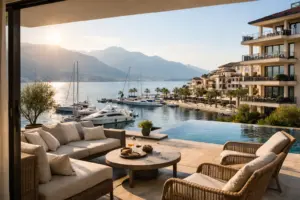
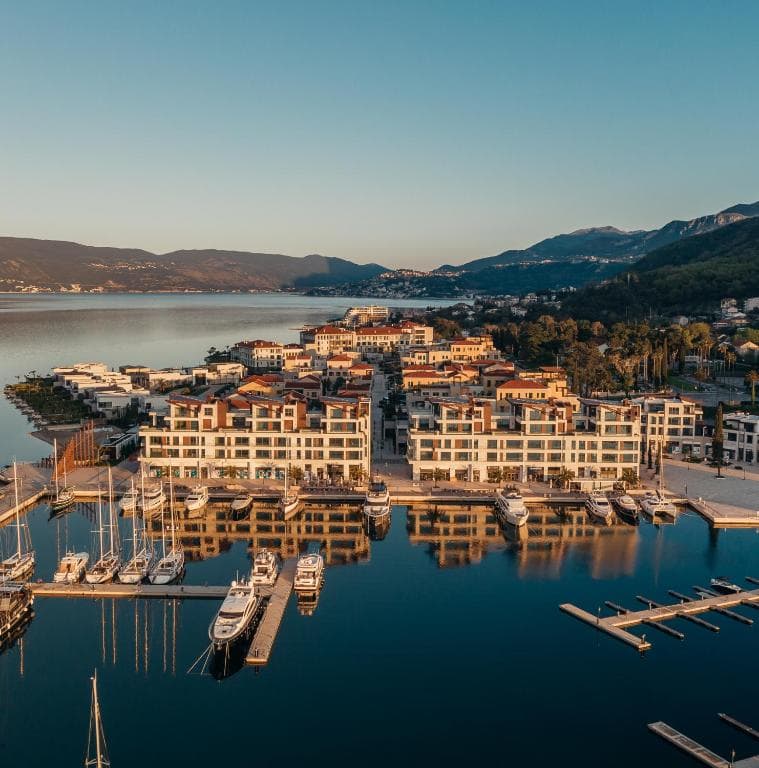
  • Large, visible luxury projects (Porto Montenegro, Luštica Bay, Portonovi) that bring infrastructure, retail, marinas and steady rental demand. Porto Montenegro is a recognized hub for yachting and luxury living.


  • Competitive pricing and attractive yields compared with many Mediterranean alternatives—coastal assets perform particularly well in high season.

Quick legal & tax snapshot for foreign buyers

Foreigners can buy property in Montenegro; the process is straightforward compared with many countries but does require due diligence (title checks, planning status, licenses). Professional local legal counsel is essential. 

There are favourable tax regimes for some transactions, but tax rules and residency-by-investment programs have evolved (the citizenship-by-investment program ended in 2022; residency options and tax obligations should be checked with advisors). Always verify current tax rates and residency rules with a local lawyer or accountant. 

How foreigners buy property in Montenegro — simple roadmap of buying a property in Montenegro

Market trends (short)

Coastal luxury and marina-side real estate remain the hotspot; Porto Montenegro, Luštica Bay and Portonovi anchor much of the premium activity. Recent 2025 analysis points to steady growth across coastal towns with moderate annual price rises and robust foreign demand.

Spotlights: Key locations for investment in Montenegro

Budva

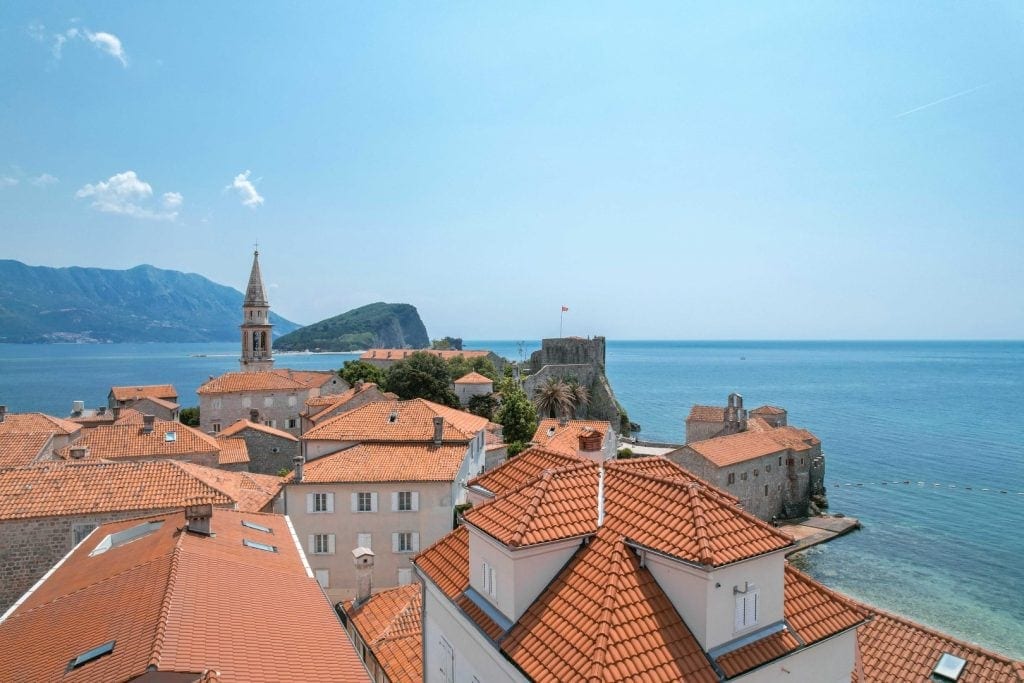
The Budva Riviera is Montenegro’s busiest tourist corridor — a blend of historic centres, sandy beaches and energetic summer rentals. Good for short-term holiday rental plays and mid-to-high-end apartment purchases. Prices vary widely between central Budva, Sveti Stefan environs and quieter coves; coastal scarcity supports strong seasonal yields. 

Tivat & Porto Montenegro

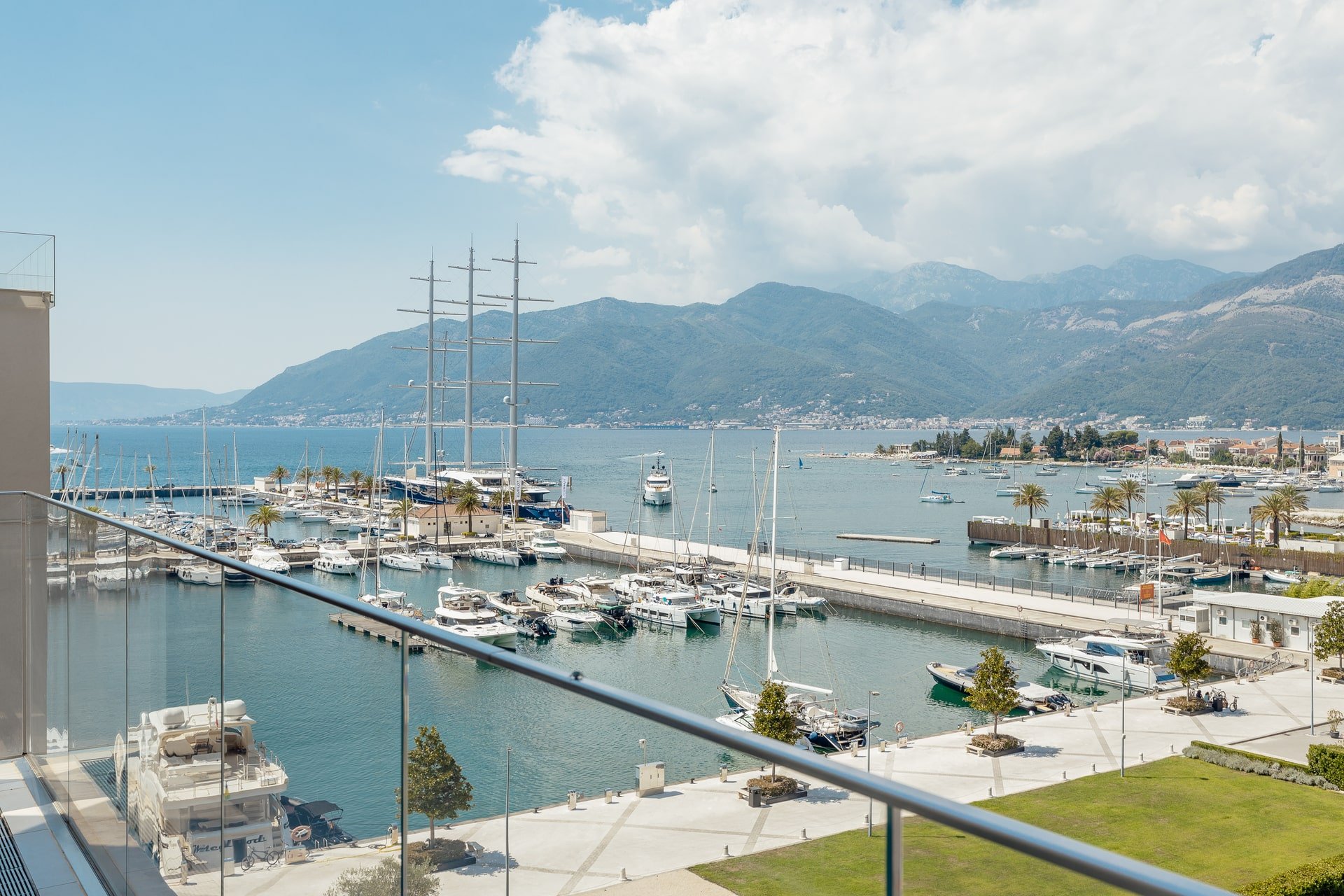
Tivat, and especially Porto Montenegro, is the country’s luxury marina hub — world-class berthing, branded retail, fine dining and high-end residential inventory. Properties here attract wealthy short-term renters and yacht owners, often delivering premium per-square-metre prices and stable demand.

Lustica Bay

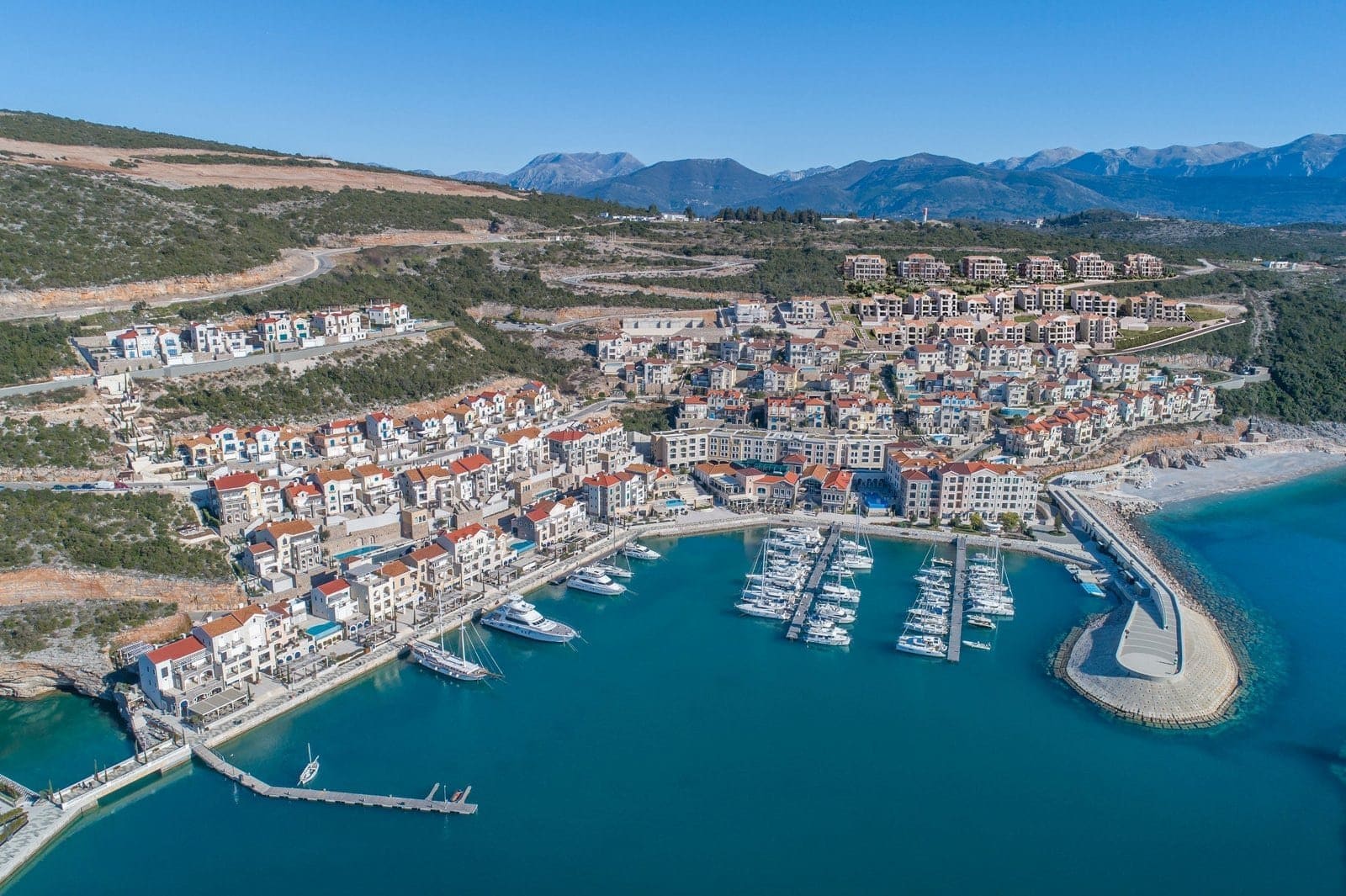
A major master-planned resort development combining residences, marinas, hospitality and green space. Luštica Bay is positioned as an integrated coastal town with long-term infrastructure plans — attractive to buyers who want resort lifestyle, longer-term capital growth and a mature community.

Portonovi

An upscale resort and marina development near Herceg Novi, with high-end residences and international hotel brands. Best suited for buyers seeking premium, branded resort living close to Boka Bay. 

Kotor & Bay of Kotor

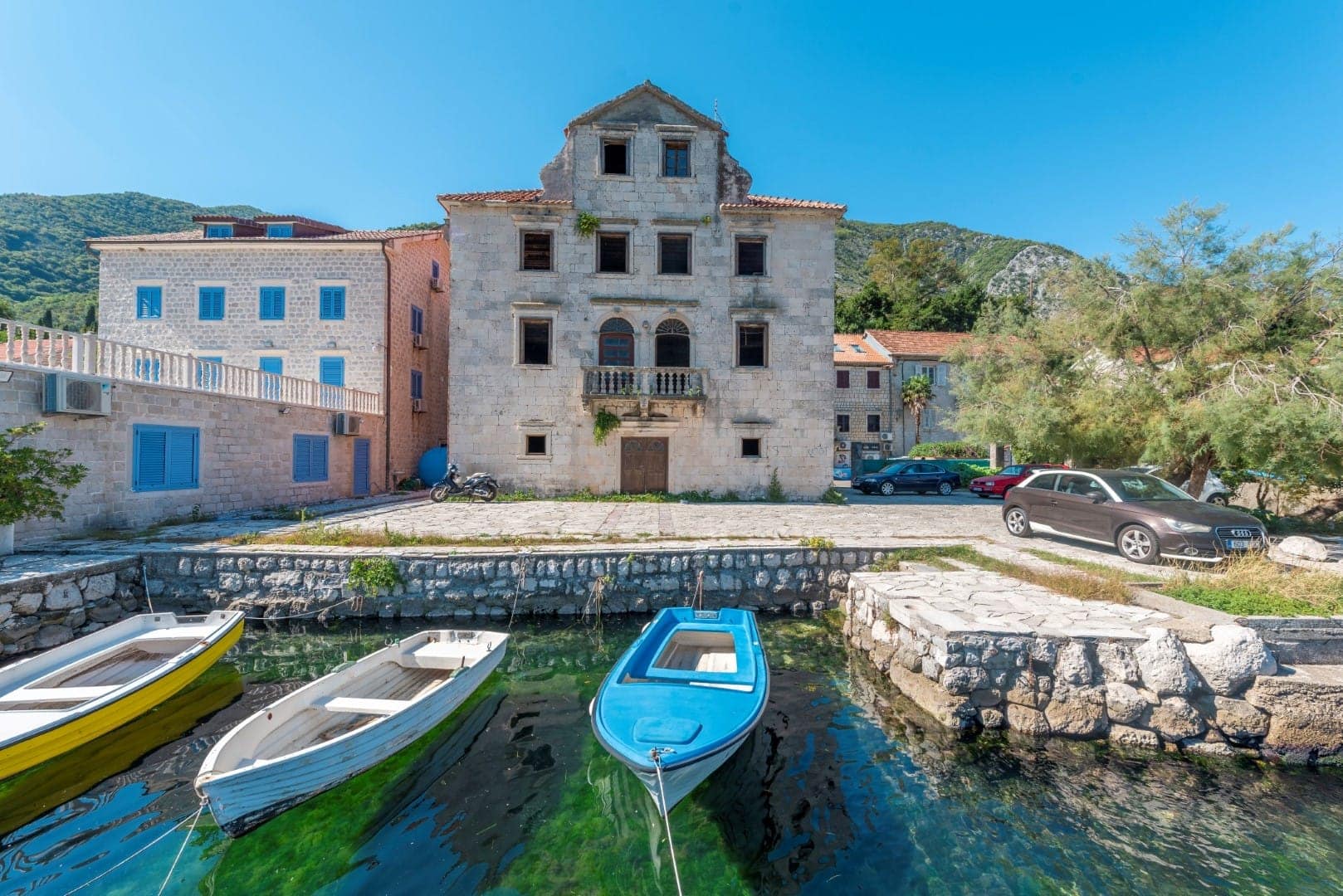
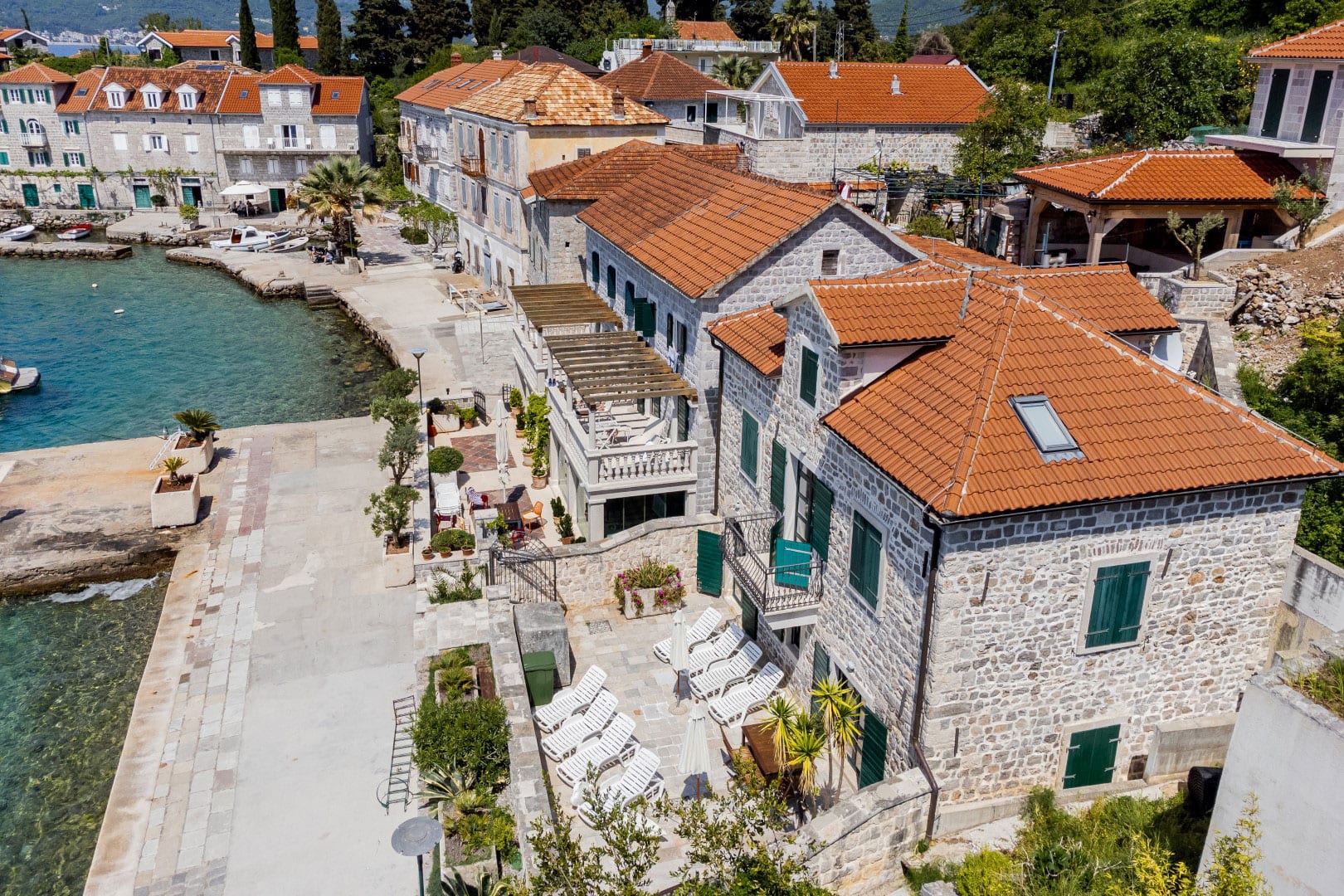
Kotor’s UNESCO bay brings cultural tourism and picturesque historic properties. Old-town stone houses and bay-view apartments are unique assets that combine tourism demand with conservation rules that often limit supply. Ideal for lifestyle buyers and niche rentals.

Herceg Novi

At the entrance to Boka Bay, Herceg Novi combines coastal neighbourhoods and increasing interest from regional buyers. Good for buyers seeking quieter coastal living with access to Kotor and Croatian borders.

Podgorica

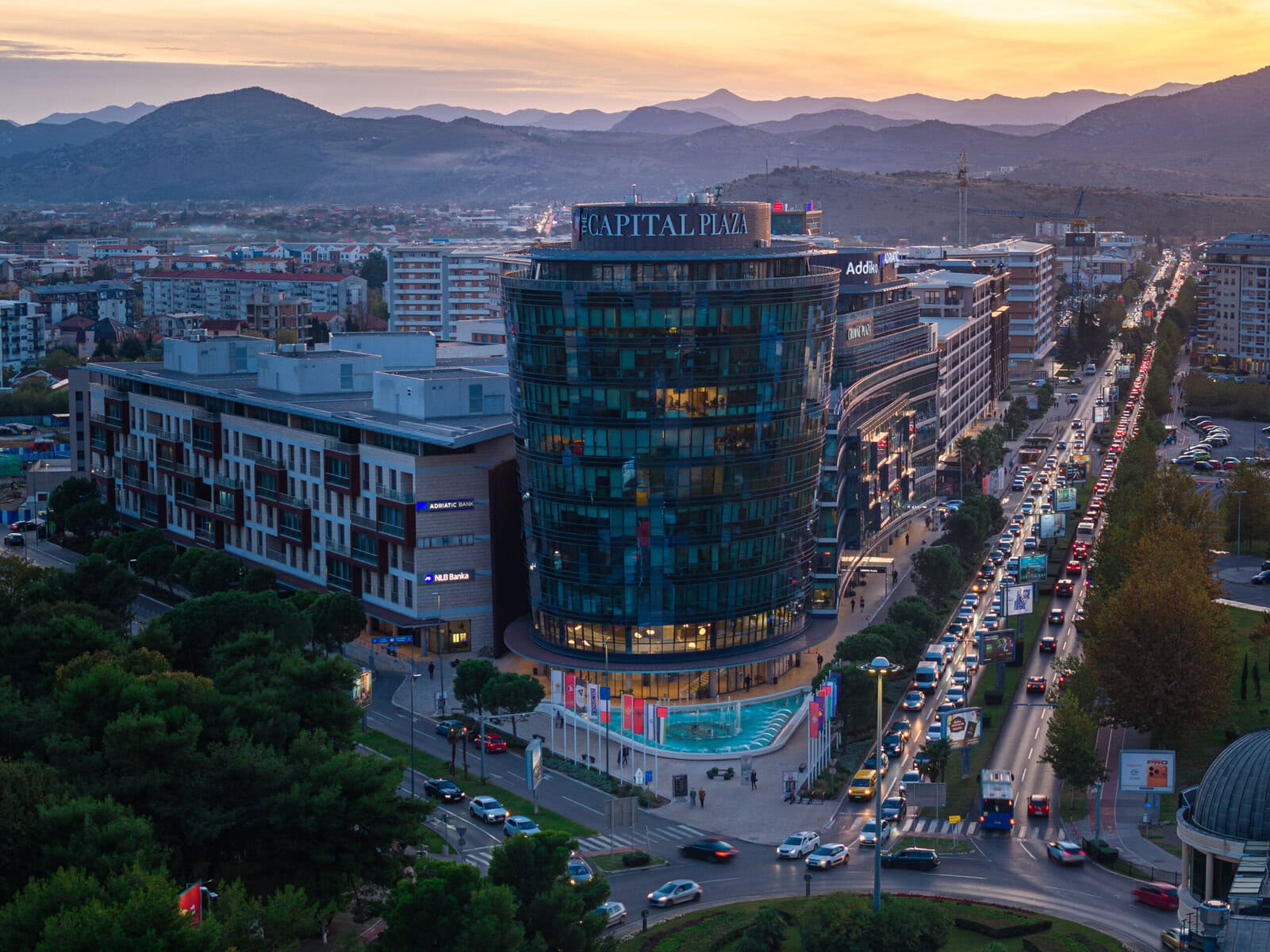
Montenegro’s capital — administrative and commercial hub. For investors interested in long-term rental to locals/expats, offices or serviced apartments, Podgorica offers different dynamics from the coast and often lower entry prices.

Kolasin

Inland mountain resort with ski and nature tourism potential. Growing interest for mountain-and-active-tourism properties; a diversification play away from coastal seasonal

Practical investment tips

  • Buy where infrastructure and marinas are improving. Some areas tend to capture more demand but also have higher prices (Porto Montenegro, Luštica Bay, Portonovi).


  • Check developer’s track record on delivery times, quality and guarantees.


  • Understand seasonal rental windows — coastal properties are strong in high season; winter tourism is growing but uneven.


  • Plan for OPEX & management — legal, accounting, property management and short-term rental platforms matter for yields.


  • Currency & financing — many deals are in euros; local mortgage availability varies for foreigners.


Frequently Asked Questions

Q: Can foreigners own land in Montenegro?
A: Yes — but check zoning and whether agricultural or protected land has special restrictions. Use a notary and local lawyer.

Q: Is there a residency permit after buying property?
A: Buying can help qualify for certain residency permits, but rules change. Confirm with immigration lawyers.

Q: Is Montenegro an EU member?
A: Not yet — Montenegro is a candidate country pursuing EU accession, which is affecting investor sentiment and regulatory alignment. This also makes this country a super hot spot for investors, since the country is one of the last countries to become a part of the European Union with a huge potential for the real estate price explosion once the country become a newest part of the EU.

Jedinstvena kamena vila u klasičnom mediteranskom stilu Perast, Kotor. 12 razloga zašto se penzionisati u Crnoj Gori

Why spend your life in Montenegro?

Razmišljate gdje provesti udobne, mirne i ispunjene penzionerske godine? Crna Gora nudi savršen spoj mediteranske klime, povoljnih troškova života, bogatog kulturnog nasljeđa i pristupačnih nekretnina.

Read More »

Ready to get started?

If you’re exploring Montenegro property for the first time, talk to local experts: a licensed real-estate agent, a local lawyer for due diligence, and an accountant for taxes. We can introduce you to vetted partners, show current listings in Budva, Tivat/Porto Montenegro, Luštica Bay, Portonovi, Kotor, Herceg Novi, Podgorica and Kolašin, and prepare a tailored investment brief.

Sources & further reading (selected)

  • Montenegro real estate investment figures and trends, Central Bank / market analyses. (Global Property Guide)

  • Porto Montenegro — how the marina drives luxury property demand. (Porto Montenegro)

  • Luštica Bay project overview and investment positioning. (lusticabay.com)

  • Budva price and demand trend reports (2025). (Investropa)

Montenegro real estate law and regulations (2025 summary). (CEE Legal Matters)