

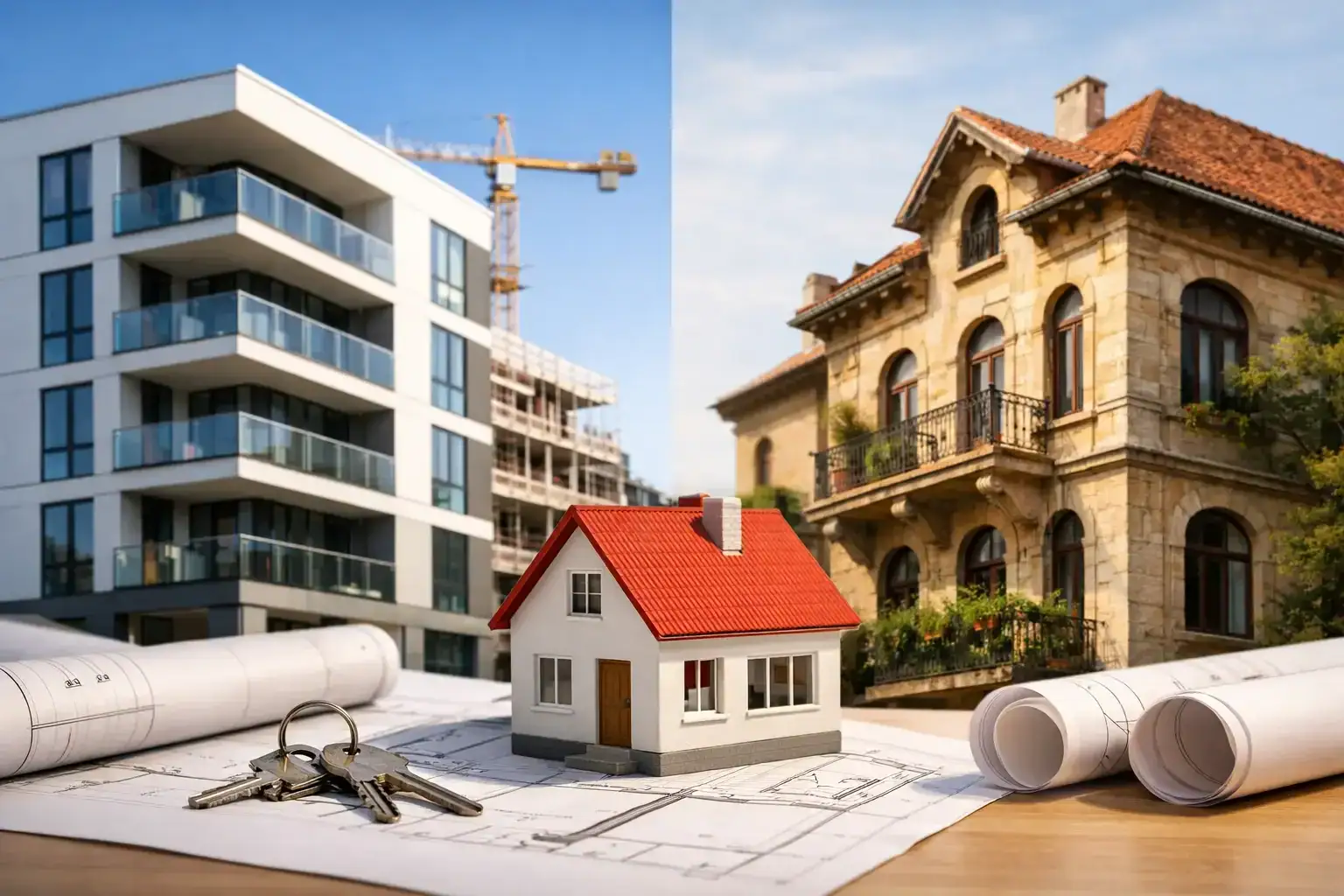
Buying an apartment rarely starts with the question of how many rooms you need. Much more often, it begins with the dilemma: new construction or old constructionBehind it lie questions about everyday comfort, future costs, location quality, and property value in ten or twenty years. The answer cannot be universal for a buyer choosing a home, a second home on the coast, or a property as a capital investment.
A new apartment offers a feeling of a fresh start without compromise, while older buildings often provide what is hard to create today – an established location, larger rooms, and a distinct character. The right decision is made when the specific building, documentation, micro-location, and usage plan are compared, not just the year of construction.
New construction or old building: what are you really buying?
With new construction, you're not just buying new finishing materials. You're buying a modern living concept: more efficient insulation, new infrastructure, an elevator, a parking space, video surveillance, a reception, or a landscaped common area, depending on the project. In the premium segment, complex management, privacy, amenities for owners, and a construction standard that meets international expectations are particularly valued.
In the case of older buildings, the address can be crucial. An apartment in the center of Podgorica, by the sea in an established part of Budva or Kotor, or in a quiet part Herceg Novi, can have a location that a new construction in the same position cannot easily replicate. Such properties often have more open views, developed infrastructure, and are in close proximity to schools, restaurants, marinas, promenades, and the beach.
Therefore, the choice is not between „new“ and „old,“ but between two different sets of advantages. New construction is more suitable for a buyer who wants predictability, modern standards, and fewer initial interventions. Older buildings can be a better choice for someone who prioritizes location, square footage, ceiling height, or the potential for careful renovation.
Advantages of new construction: comfort, efficiency, and a clearer standard
Quality new construction often leads to lower operating costs. Modern carpentry, facade insulation, energy-efficient heating and cooling systems, as well as new installations, can significantly impact the monthly budget and long-term comfort. In coastal areas, moisture protection systems, ventilation quality, and material resistance to salt air are also important.
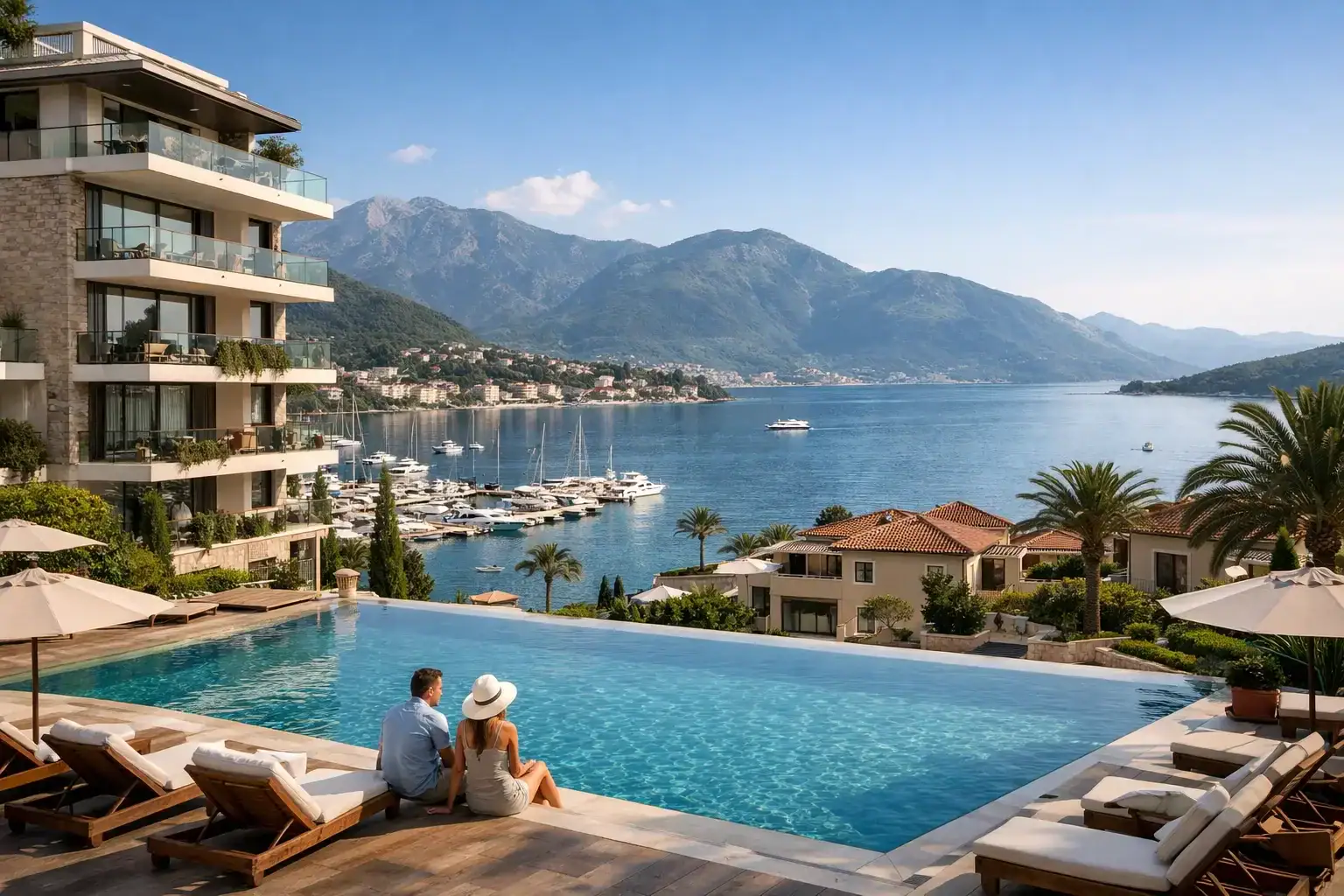
For families and customers who are often abroad, easier maintenance is also an advantage. A managed complex with professional management can solve a number of practical issues – from maintaining common areas to access control and taking care of the apartment while the owner is away. This is particularly relevant for residential projects in areas such as Porto Montenegro, Luštica Bay and Portonovi, where property is often used seasonally or as a second home.
However, new construction is not automatically synonymous with quality. Two projects completed in the same year can significantly differ in construction, finishes, quality of tiles, sanitary ware, carpentry, elevators, and common areas. It's worth checking the investor's reputation, previously completed projects, material specifications, and the actual on-site condition, rather than relying solely on renders or sales presentations.
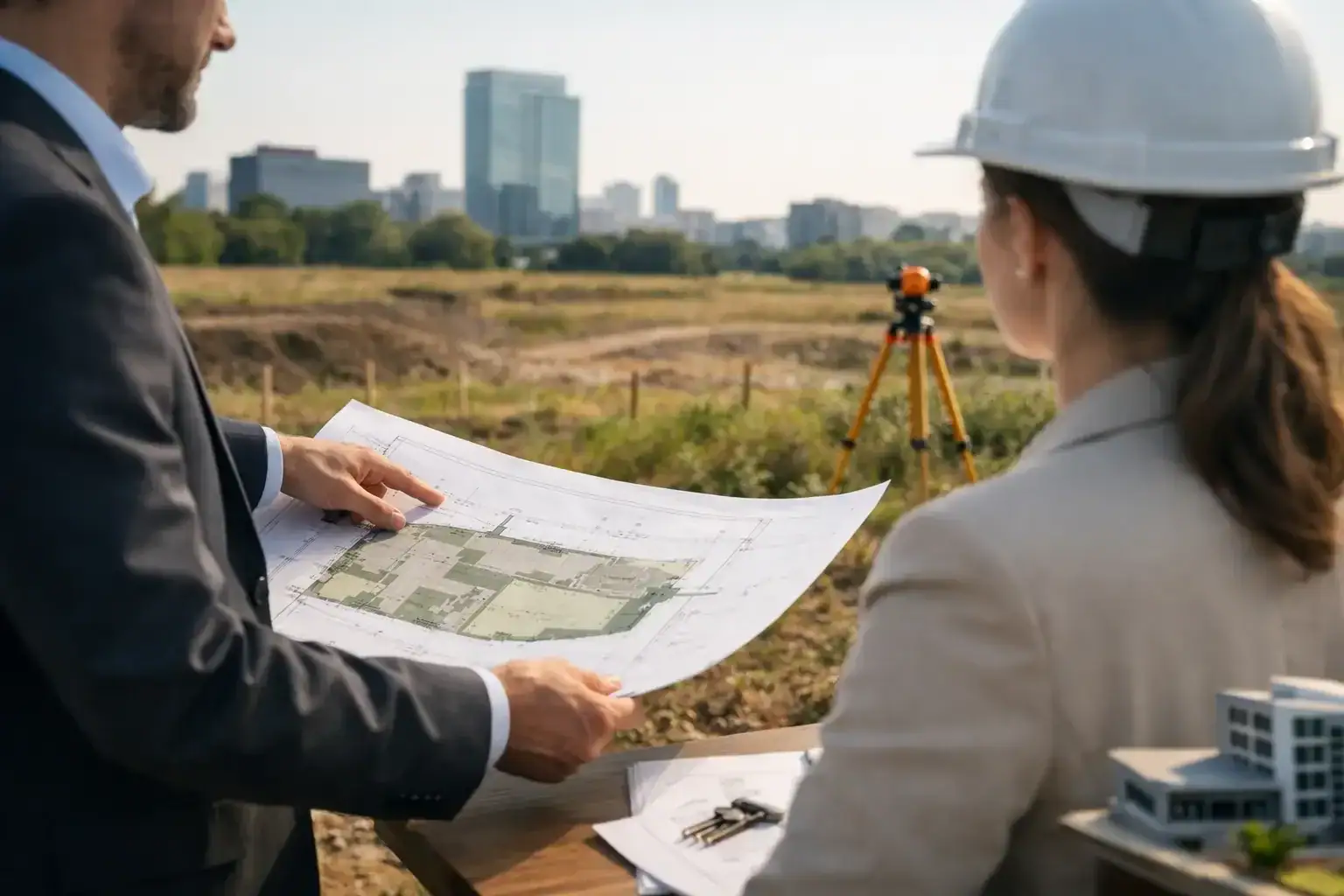
Purchasing property under construction requires special attention. It can offer a more favorable entry into a project and the opportunity to choose the floor, orientation, or layout, but it also carries risks regarding deadlines and deviations from the original plan. The contract must clearly stipulate payment schedules, completion dates, apartment specifications, penalties, and the status of necessary documentation.
When an old building has higher value
Older buildings often win out where land is limited and quality locations are already built up. An apartment in a few steps from the sea, with a large terrace, an unobstructed view of neighboring properties, and a stable urban environment, can have a value that the mere novelty of the property does not surpass.
Many older apartments also offer more generous square footage. Living rooms are often more spacious, rooms are more regular in shape, and balconies are more functional than in projects that aim for maximum utilization of every square meter. A buyer who wants a representative family apartment can find a layout in older buildings that is rarely built today.
However, the age of the building requires more detailed inspection. Installations, waterproofing, facade, roof, elevator, and the condition of common areas may require investments that are not immediately visible during a viewing. For apartments on the coast, it's necessary to check for signs of moisture and corrosion, while for buildings in urban areas, parking, noise, access, and the possibility of future construction in the immediate vicinity are important.
Renovation can significantly increase the value of an older apartment, but only when the starting point is good. A quality micro-location, a well-maintained building, a functional layout, and clear documentation make investments worthwhile. If the problems are structural, unresolved issues within the building, or restrictions that prevent legal adaptation, even the most beautiful interior will not solve the fundamental problem.
Location is often more important than the year of construction
In the premium real estate segment, location has the greatest impact on long-term appeal and liquidity. New construction in a peripheral position can be excellent for quiet living and occasional stays, but it will not necessarily have the same demand as an older apartment in close proximity to the marina, beach, old town center, or business district.
On the other hand, a modern complex in a carefully selected location can create new value. Today's customers seek a controlled environment, garage, infrastructure, amenities, and service standards that an individual older building often cannot provide. Therefore, one should consider not only the current address but also the development plan of the wider area: traffic connectivity, planned construction, tourist infrastructure, and the profile of future neighboring properties.
It's good practice to view a property at different times of the day. Morning light, afternoon noise, wind, traffic, parking availability, and the actual distance to amenities can change your impression more than photos or floor plans.
Costs that do not fit into the advertised price
The purchase price is the starting point of the calculation, not its end. For new construction, it's necessary to estimate the costs of complex maintenance, parking space, management, and any additional services. A higher monthly cost may be justified if it brings security, maintenance, and quality of communal living, but it must be aligned with your property usage plan.
When renovating older buildings, it's crucial to create a realistic renovation budget. Don't just factor in flooring, the kitchen, and furniture. Replacing electrical and plumbing systems, air conditioning, carpentry, damp proofing, and bathroom renovations can significantly alter the total investment. Sometimes, an older apartment with a lower initial price proves to be a more rational purchase even after renovations. Occasionally, the difference compared to quality new construction disappears faster than expected.
If you are buying a property for rent, consider the guest or tenant profile as well. Luxury tourist rentals particularly value the view, privacy, design, parking, and proximity to amenities. Long-term rentals more often favor a functional layout, good city connections, and stable monthly costs.
Documentation and technical verification without assumptions
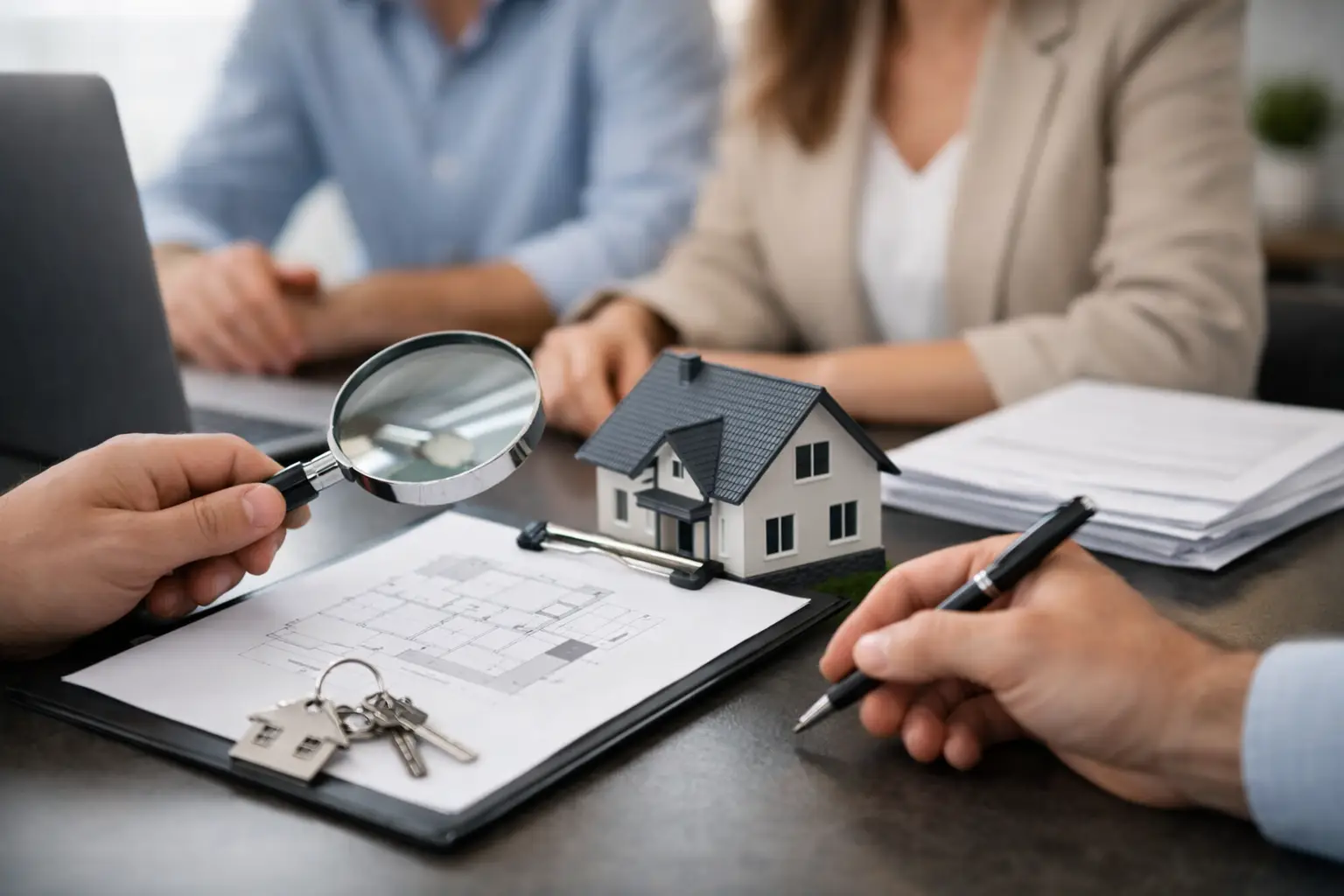
Whether you're choosing a new or existing building, legal security should not be taken for granted. It is necessary to verify ownership, encumbrances, recorded area, building status, and the basis upon which the property is being sold. For new constructions, the investor's status and permits should also be analyzed, while for existing buildings, any additions, enclosed terraces, and unrecorded modifications deserve attention.
The technical tour should be taken as seriously as a documentation review. An experienced agent and appropriate specialists can help identify issues that a buyer might not notice on the first tour: quality of finishes, condition of installations, potential hidden costs, and the realistic market position of the asking price. At Nekretnina.me, the selection and negotiation process is based precisely on ensuring decisions are grounded in verifiable facts, not just on a fleeting impression.
How to make a decision that fits your plan
If you want an apartment without renovation, modern technology, predictable maintenance, and on-site amenities, a quality new construction is the logical choice. If you are looking for a prestigious, established location, a larger space, or a property with authentic character, older construction can offer more value for the same budget.
The best purchases often don't look like the obvious choice at first. They arise when desires align with actual costs, legal standing, and how you want to live or invest. Take the time to compare a few carefully selected options – the right property shouldn't just fit today's budget, but also the future you plan for it.