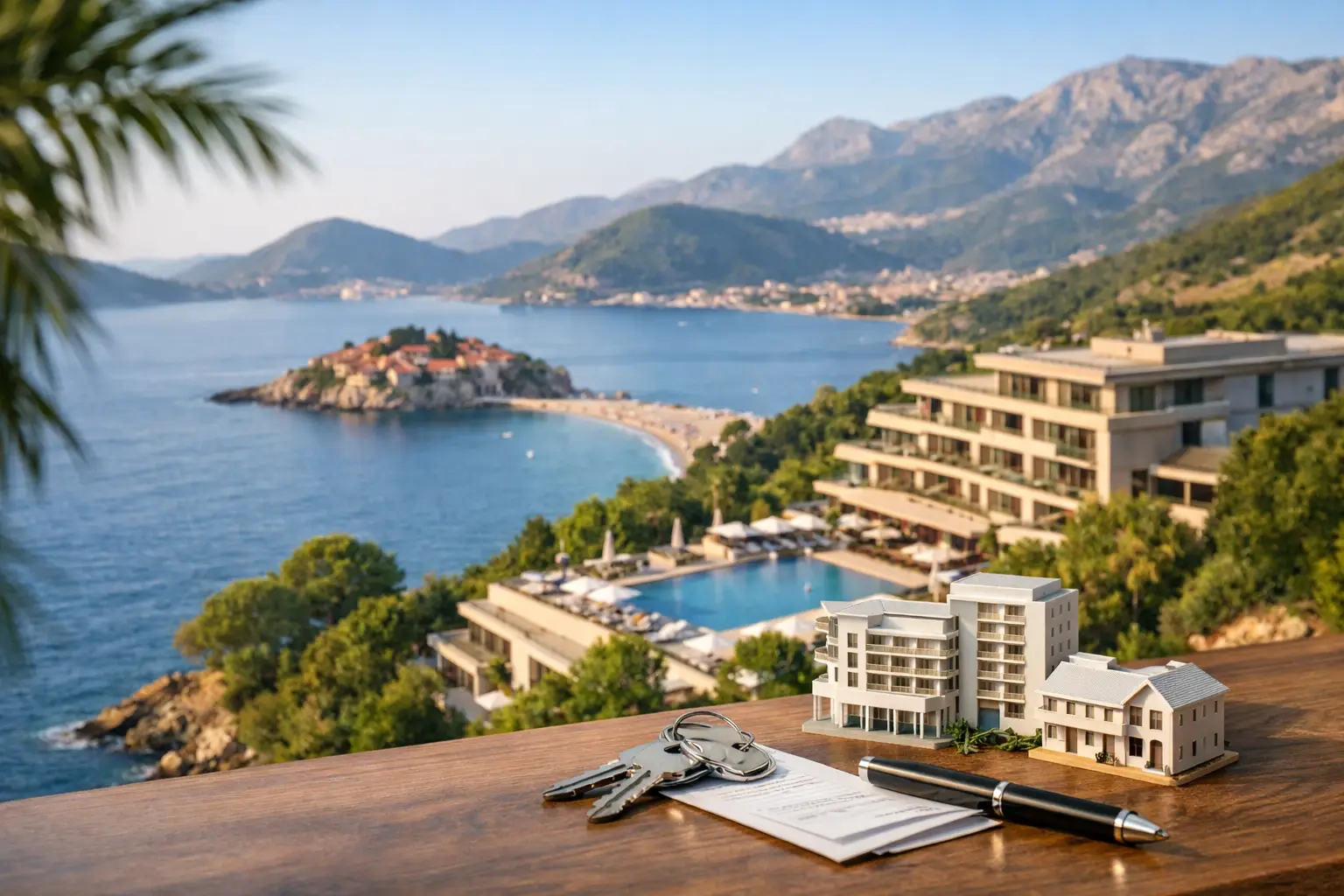


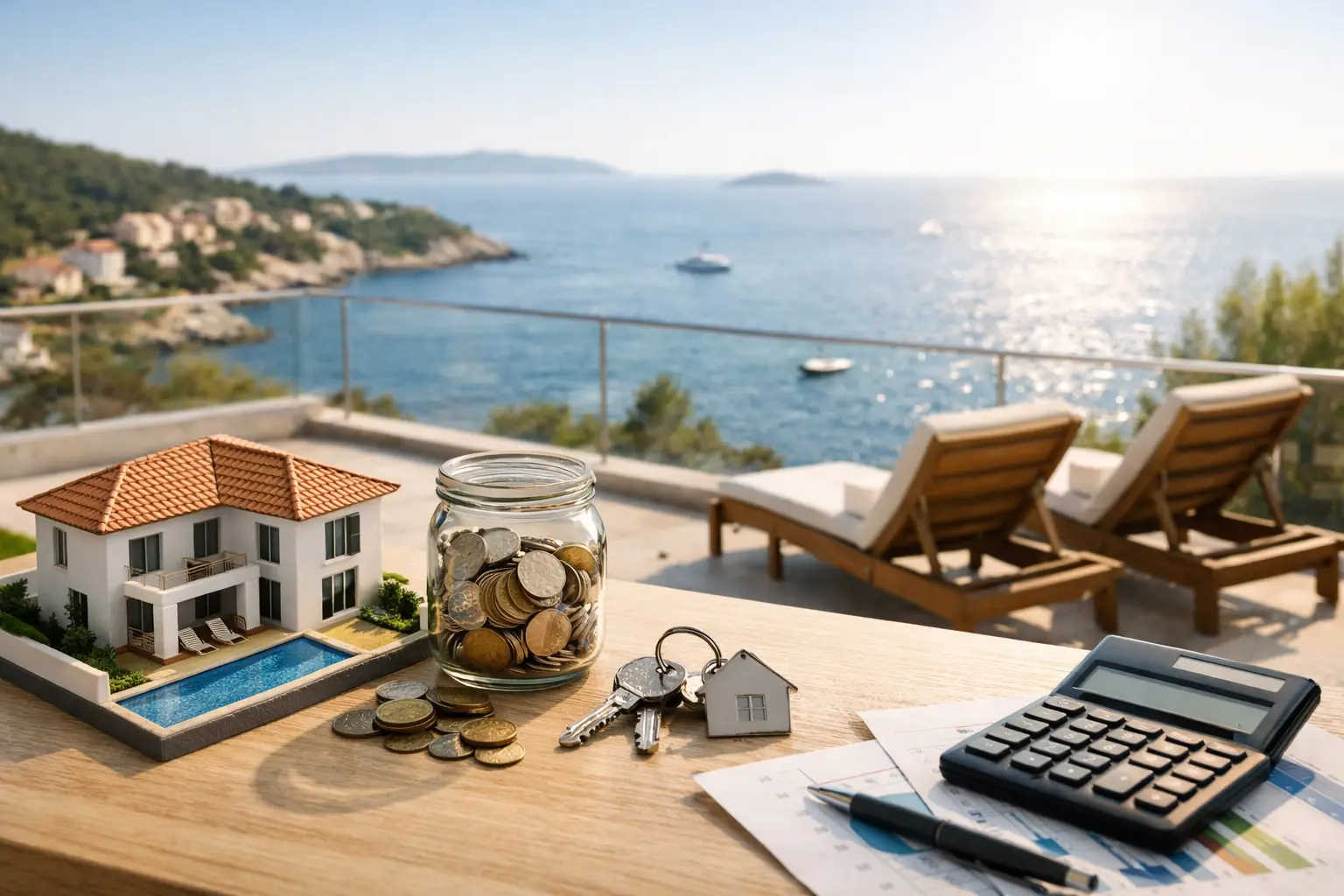
Buying an apartment or a villa by the coast is often evaluated based on price per square meter, the view, and rental potential. However, the question of how much it costs to maintain a seaside property often makes a bigger difference in long-term profitability than the initial purchase. This is precisely where many buyers, especially those who use the property seasonally, make a misjudgment.
With waterfront properties, the cost doesn't end with signing the contract. Salt, moisture, wind, seasonal loads on installations, and periods when the property is vacant all affect the frequency and cost of maintenance more than with an apartment in the city. That's why a realistic estimate of annual expenses is just as important as choosing the location.
How much does it cost to maintain a seaside property in practice?
The most accurate answer is – it depends on the type of property, the micro-location, the age of the building, and the intended use. It's one thing to maintain a smaller apartment in a complex with a front desk and shared services, and another thing entirely to maintain a larger one. a detached house with a yard, pool, and multiple technical systems.
In practice, the annual maintenance cost typically consists of several fixed categories: utilities, taxes and local fees, ongoing repairs, property management, insurance, and any costs for seasonal preparation or rental. For more luxurious properties, costs for private security, landscaping, pool maintenance, and smart home systems also increase.
If you're looking for a framework, an apartment that is used occasionally usually has significantly lower annual costs than a family house or a villa. But a lower cost doesn't automatically mean a better investment. In premium complexes, monthly maintenance fees may be higher, but they often include security, a front desk, landscaping of common areas, and a standard of service that preserves the property's value.
Main items that go into the cost of maintenance
Directors' and utility fees
Even when a property is not actively used year-round, there are basic fixed expenses. These include electricity, water, trash collection, internet, a cable package if applicable, as well as fees for a building manager or maintenance.
For apartments in gated or residential complexes, a monthly fee for the maintenance of common areas is common. It can include elevators, garages, lighting, a front desk, video surveillance, cleaning, and servicing of the shared infrastructure. In luxury developments, this amount is higher, but the level of service is also unparalleled compared to a standard apartment building.
For houses and villas, you don't pay for a portion of these costs through the common fee; instead, you cover them individually. This means you are responsible for the maintenance of the driveway, fence, landscaping, exterior lighting, and any technical systems.
Tax and local fees
Property ownership carries regular obligations to local government. The amount of tax depends on several factors, including the property's location, size, use, and assessed value.
Buyers often look only at property tax and forget that there are other obligations that can be tied to utilities or local fees. For properties used for vacation rentals, additional costs arise for administration, guest check-in, and regulatory compliance.
Current repairs due to the marine climate
This is the factor that most distinguishes coastal real estate from that in inland areas. Salt air accelerates the wear and tear of metal components, locks, railings, air conditioner outdoor units, roller shutters, and woodwork. Moisture puts a strain on the facade, joints, sealants, bathrooms, and ventilation systems.
That's why maintenance at sea isn't just a matter of aesthetics. Regular servicing protects the property's functionality and prevents more expensive breakdowns. If a small problem is overlooked for a season or two, it often turns into a major investment.
Real estate insurance
For owners who are not present year-round, insurance is not a luxury, but sensible protection. This is especially true if the property is rented out, located in an attractive location, or has expensive equipment and furniture.
The cost of insurance depends on the square footage, the value of the interior, the risks, and the scope of coverage. It is important to check whether the policy covers damage from water, severe storms, break-ins, system failures, and third-party liability.
Apartment, house, or villa – where does the biggest difference lie?
For smaller apartments in a well-organized complex, costs are more predictable. You pay for common maintenance, utilities, and occasional repairs within the unit itself. This is often the simplest model for buyers who want a second home without the day-to-day operational hassle.
For a single-family home, the cost is less linear. In one year it can be modest, but the very next year it can increase due to painting exterior trim, roof repairs, a pump replacement, pruning, or landscaping. Villas with a pool, Summer kitchens, garages, and larger lots carry the most maintenance, but also the highest standard of use and potential income from premium rentals.
In other words, a more expensive property not only comes with a higher entry price, but also a more sophisticated maintenance regime. For some buyers, this is acceptable because they are buying comfort, privacy, and prestige. For others, it is a more rational choice. Apartment in the project with professional management.
How much does it cost to maintain a property by the sea if you're renting it out?
If a property is not just for personal use but also for income, the cost structure changes. Then, in addition to basic maintenance, you have guest cleaning, laundry, minor inventory replacements, arrival and departure coordination, digital communication with guests, and technical readiness during the season.
The more booked the calendar is, the higher the income, but the wear and tear is also greater. Air conditioners run more, bathrooms and kitchens are under greater strain, and furniture, locks, and patio door locks endure more frequent use. That's why with rental properties, it's not just the revenue per night that's measured, but also the maintenance cost per season.
In the premium segment, guests expect a flawless standard. A single malfunctioning device, a trace of moisture, or a poorly maintained terrace can directly impact ratings, reputation, and the nightly rate. That's why professional management often costs more, but it simultaneously protects the property's revenue and value.
Hidden costs that buyers often overlook
The most common mistake isn't a bad purchase, but an incomplete budget. Buyers calculate regular fees but don't plan for a reserve for unforeseen interventions. And those at sea are not a rarity.
These include replacing exterior lighting exposed to salt, servicing gates and motors, repairing leaks on the terrace, applying moisture treatments, restoring grout joints, replacing awnings, and periodically refreshing the building's facade. If the property is closed for an extended period, additional costs for ventilation, system inspections, and property rounds also arise.
An additional layer of expense exists when the owner does not live where the property is. In that case, it is necessary to arrange for a person or company to respond quickly when a malfunction occurs, receive the workmen, check the condition after bad weather, or prepare the property before the family and guests arrive.
How to estimate a realistic annual budget in advance
The best approach is not to look for a single, universal figure, but to create a cost model for the specific property. This means asking, before you buy, what the monthly maintenance fee is, what the average bills are in the off-season and in the summer, how old the building is, and which systems require regular servicing.
It's also important to check what's included in the complex's maintenance. A higher monthly fee can actually mean fewer individual worries and fewer unplanned expenses. In other cases, a lower fee hides the fact that you'll have to pay for many things separately.
Experienced buyers also factor in a reserve fund for unforeseen interventions. This isn't pessimism, but disciplined property management. If you view a property as a long-term asset, maintenance isn't a cost that „disappears,“ but an investment that preserves its market value, functionality, and appeal for future sale or rental.
When a higher maintenance cost is actually justified
Not every property with higher fees is a worse purchase. On the contrary, in some developments, higher monthly expenses mean better management, a higher level of privacy, a safer environment, and the long-term preservation of the complex. This is especially important in locations where buyers expect a standard that matches the premium entry price.
On the other hand, a property with low ongoing costs may require more owner involvement, more self-coordination, and more risk of unforeseen work. Therefore, the real question isn't just how much you pay, but what you get for that money.
If you're buying for personal enjoyment, the focus will be on comfort and ease of operation. If you're buying as an investor, the relationship between the annual cost, rental potential, and value preservation over time will be more important. In both cases, good judgment begins before the purchase, not after.
That's why choosing a property is a serious decision that also requires a clear understanding of the true cost of ownership. On the Nekretnina.me portal, this conversation isn't a secondary detail, but part of responsible purchasing. Because the right property by the sea isn't just the one that captivates you at first sight, but one that you'll be just as happy to own years later.