
Seasonal trends in the real estate market — Market activity during winter and summer
How tourist seasons shape sales, rentals, and demand for luxury real estate
In the global real estate market, seasonality is not merely a matter of timing—it represents a rhythm that influences buyer psychology, investment strategies, and the flow of capital between destinations. Particularly in the luxury real estate segment, the differences between winter and summer activity clearly illustrate how tourism cycles, lifestyles, and international mobility directly affect sales facilitation, price formation, and rental performance.
From alpine chalets and Mediterranean villas to coastal residences and urban pied-à-terre investments, understanding seasonal trends in the real estate market is essential for buyers, sellers, and investors seeking to optimize both timing and transaction value. While both winter and summer markets offer distinct advantages, each season attracts different buyer profiles and behavioral patterns, largely shaped by tourism.
The seasonal nature of the luxury real estate market
Unlike the mass residential market, the luxury real estate market is closely tied to travel patterns, school calendars, and lifestyle migration. High-net-worth buyers often purchase with dual purposes: personal use and investment. As a result, periods of peak activity frequently coincide with the height of tourist seasons, when destinations are experienced at their most vibrant and inspiring.
Seasonality affects not only transaction volume, but also marketing visibility, rental yields, and negotiation dynamics. Understanding the differences between winter and summer markets allows participants to strategically position properties—and to identify opportunities that may remain unseen during periods of peak demand.
Winter market activity: Discretion, strategy, and lifestyle-driven demand
Winter real estate markets are typically quieter in terms of overall transaction volume, but they often attract highly motivated and sophisticated buyers. In luxury destinations, winter activity rarely comes to a complete standstill—it simply becomes more selective.
Winter tourism and the appeal of luxury real estate destinations in winter
Winter tourism drives demand in ski resorts, mountain regions, and select urban centers known for cultural programs, business travel, or seasonal events. Destinations such as the Swiss Alps, Aspen, St. Moritz, Courchevel, and Whistler see heightened interest from international buyers during the ski season, when the appeal of the lifestyle is fully expressed.
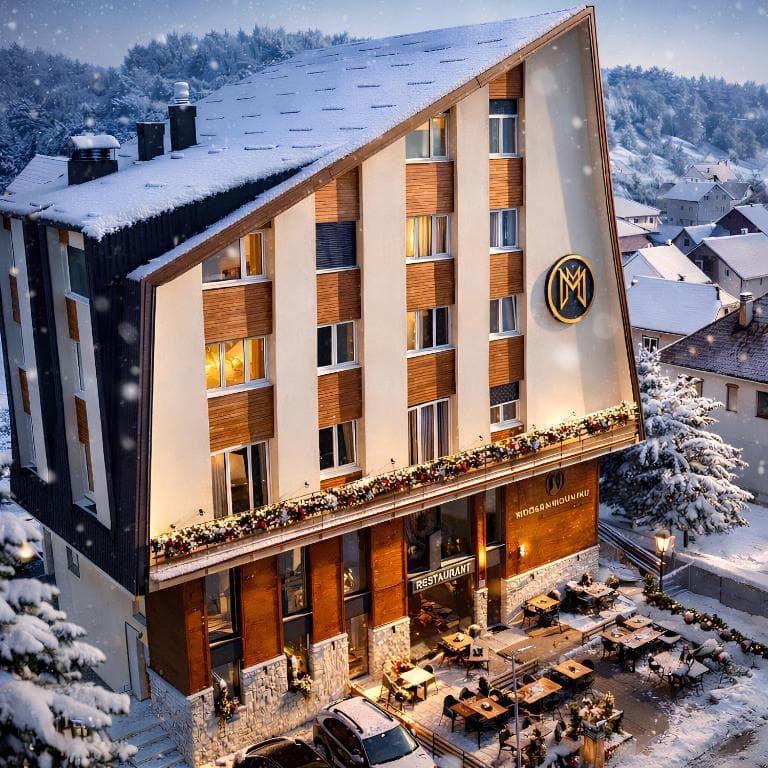
Buyers visiting destinations in winter are often emotionally connected to the location. Experiencing a property in its full winter setting—complete with a lit fireplace, snowy landscapes, and après-ski culture—creates a strong sense of belonging that can accelerate purchase decisions.
The psychology of real estate buyers in winter
Winter buyers are typically decisive and well-prepared. Many are repeat buyers, investors, or owners of other properties who have been monitoring the market for months. The smaller number of casual browsers results in higher-quality negotiations and shorter decision-making cycles.
Since winter supply is often limited, properties that come onto the market are generally carefully positioned—whether premium assets that operate year-round, or offerings from sellers motivated by tax planning, portfolio restructuring, or relocation timelines.
Pricing and negotiation dynamics
The winter market can offer subtle advantages in terms of pricing. Reduced competition among buyers creates room for negotiation, particularly in urban or suburban resort markets outside the main ski areas. Sellers entering the market in winter are often serious and realistic, contributing to more transparent pricing and smoother transactions.
For investors, winter can be an ideal period to secure properties ahead of the return of peak seasonal demand, especially in destinations with strong summer rental potential.
Summer market activity: Visibility, volume, and tourism-driven market momentum
Summer represents the most dynamic period of global real estate activity. Warmer weather, school holidays, and the peak of the tourist season generate strong market momentum, particularly in destinations where lifestyle is a key factor.
The impact of summer tourism
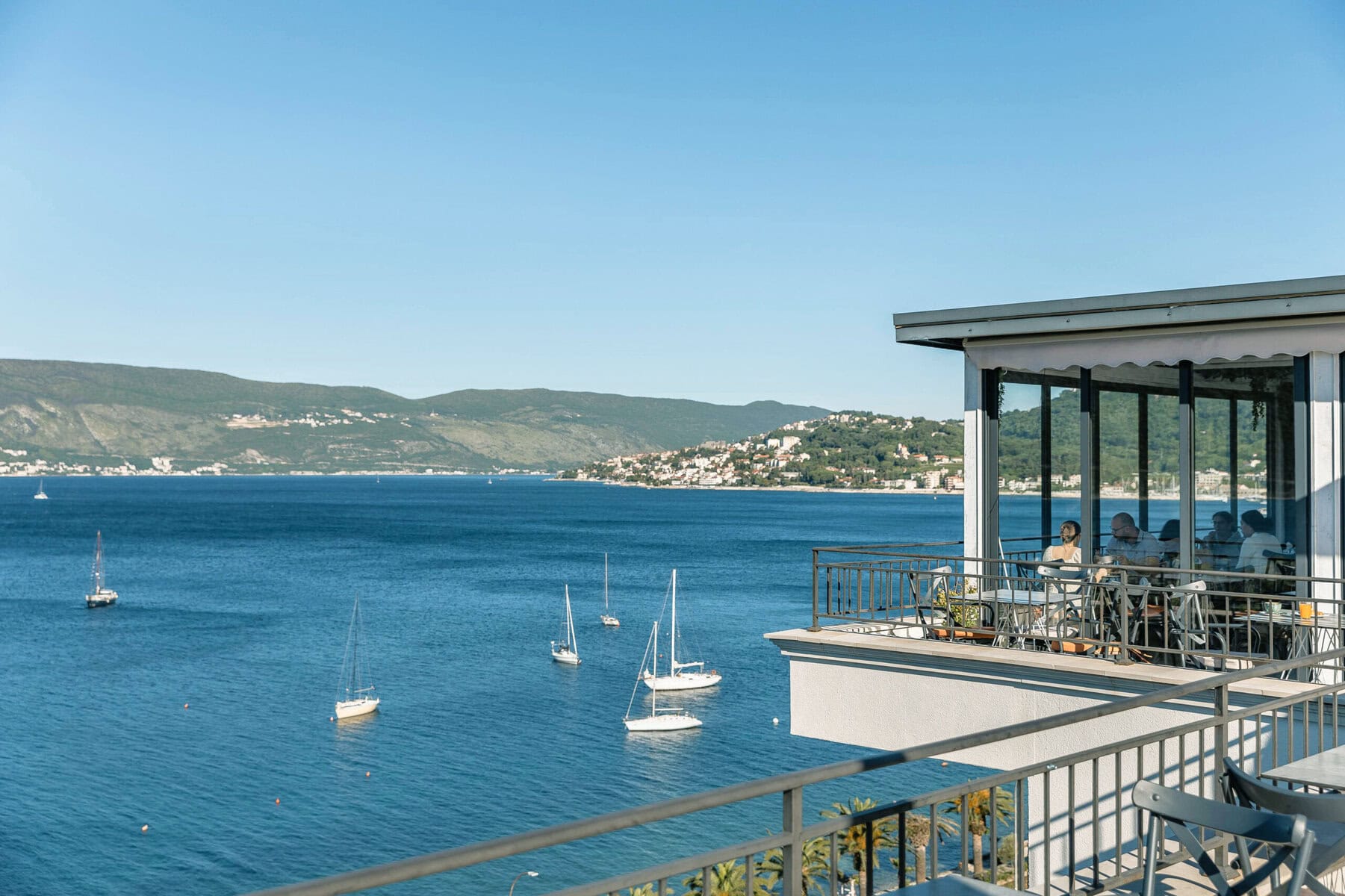
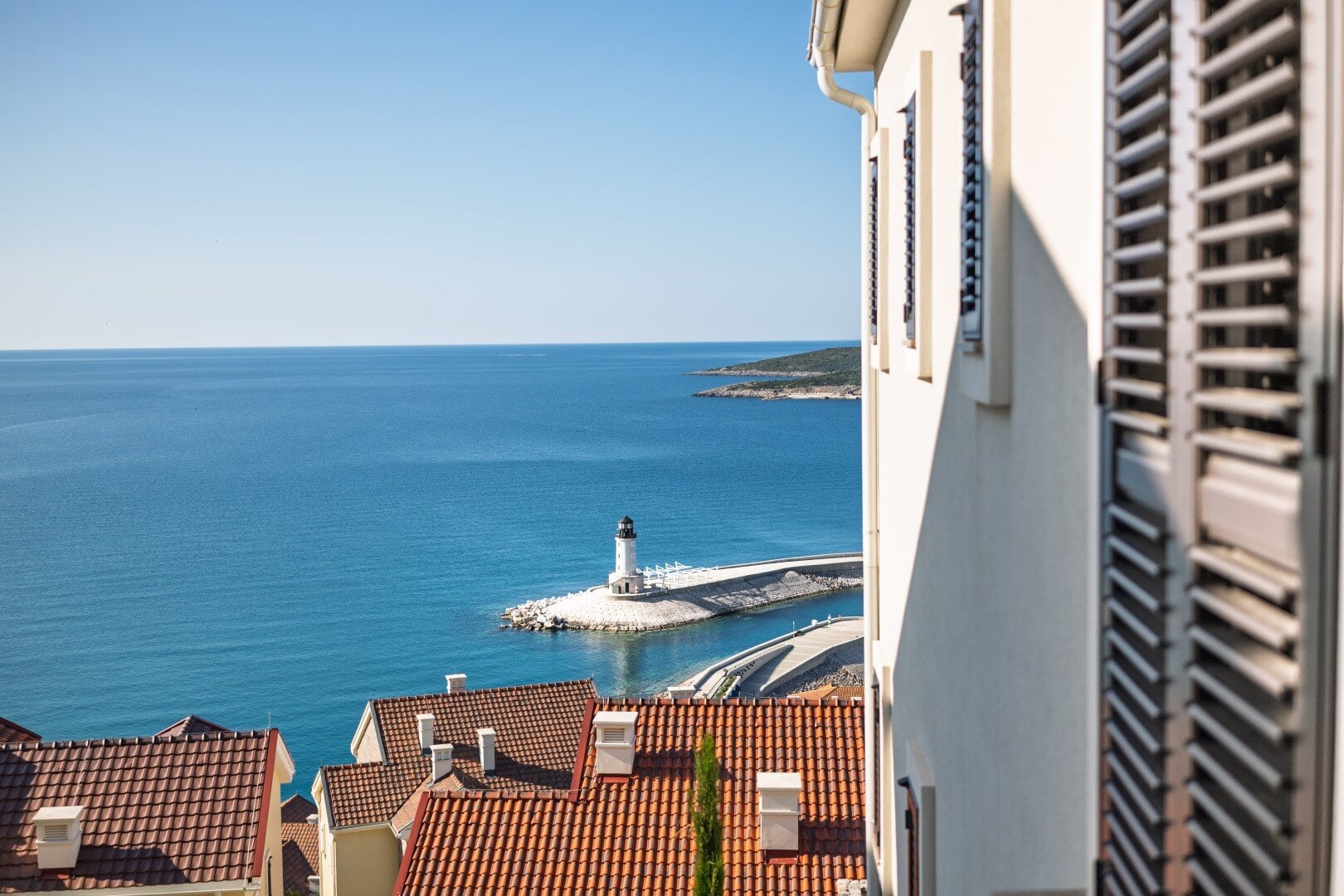
Summer tourism significantly boosts the visibility of coastal, rural, and resort markets. Mediterranean destinations such as the French Riviera, the Amalfi Coast, the Balearic Islands, and the Greek Islands, as well as the southern Mediterranean along the Croatian and Montenegrin coasts, come alive during the summer months, attracting visitors from around the world who often transition from short-term renters to long-term tenants or even direct buyers.
Experiencing a property in its peak season — sun-drenched terraces, outdoor living spaces, proximity to beaches and marinas — strongly influences perception and perceived value.
Increased supply and a broader pool of buyers.
Summer typically brings an increase in property listings. Sellers recognize the marketing advantages of longer days, better outdoor presentations, and higher viewing frequencies. Properties photograph better, gardens and outdoor amenities are highlighted, and the use of outdoor facilities at these destinations rises during the summer months.
At the same time, the buyer base also expands. Buyers from around the world, including families and lifestyle-oriented buyers who rely on school holidays, are more active, leading to a faster flow of people and capital and, in attractive markets, competitive bidding.
Seasonal trends in the real estate market – Price trends and market pressure.
In high-demand destinations, the summer market often supports higher prices. Increased demand, limited supply of exclusive properties, and emotionally motivated purchases can drive prices up, particularly for move-in-ready properties in prestigious locations.
However, higher activity also means greater competition among sellers. Properties must be impeccably presented and accurately priced to stand out in a crowded market. Overpricing is less tolerated when buyers have more options.
Seasonal rental impact: A key factor in investment strategy
For many luxury property owners, income from rental is a crucial factor—and seasonality plays a central role in optimizing returns.
Winter rentals
Demand for winter rentals is strongest in ski and colder resort destinations, where short-term rentals can achieve exceptionally high weekly rates during the holidays. Luxury mountain chalets and residences with direct access to slopes, wellness facilities, and concierge services often reach full occupancy.
In urban centers, winter rentals can attract business travelers, diplomats, and long-term tenants seeking furnished apartments. This tends to prioritize occupancy stability over peak rental rates.
Summer rentals
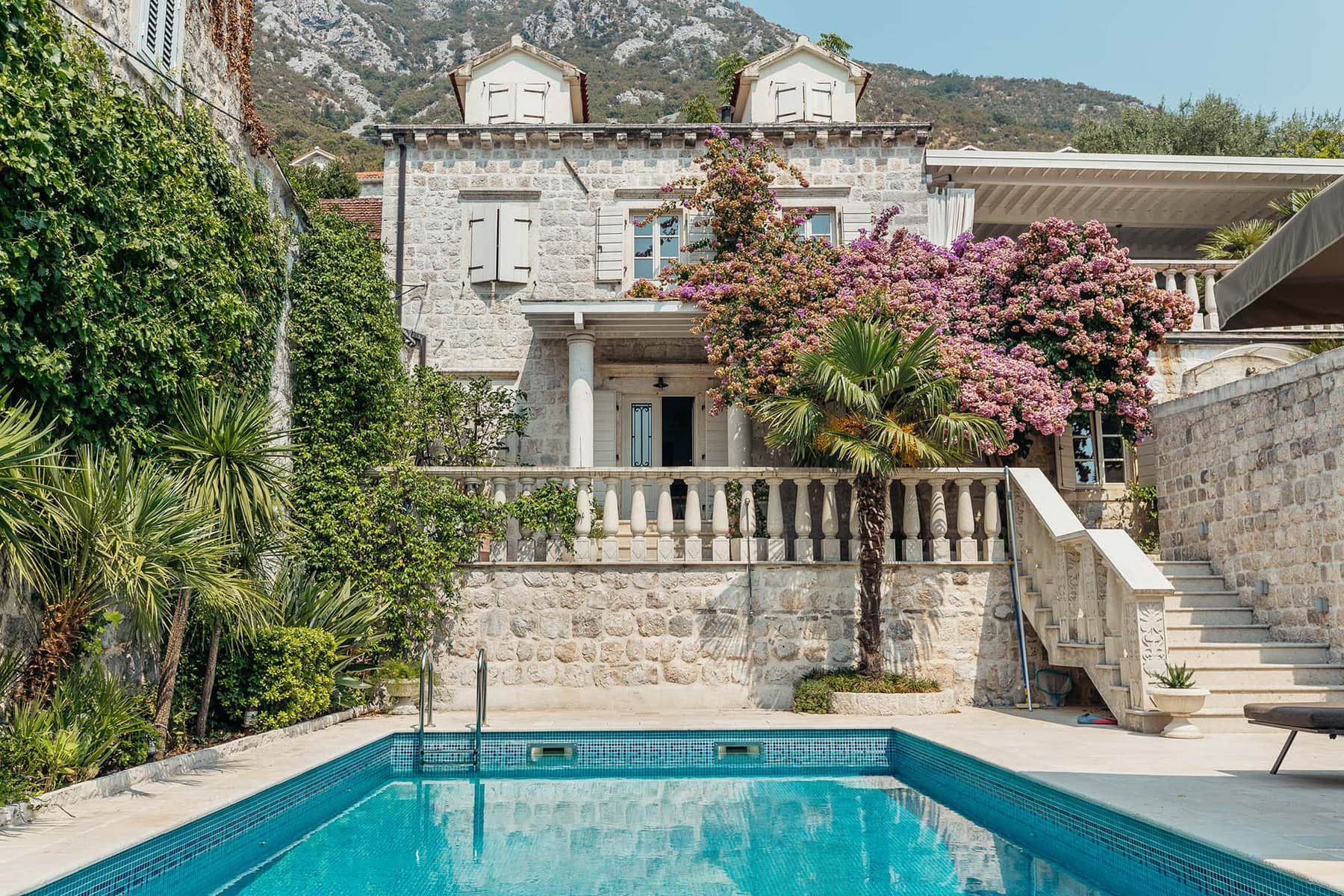
Summer is the dominant rental season in coastal and tourist destinations. Villas with pools, sea views, and outdoor living spaces often generate significant short-term seasonal income, particularly during school holidays and festival periods.
Properties that perform well in summer rentals often attract investors during that season, as rental performance can be immediately observed and validated.
Strategic timing: When to buy, sell, or invest
There is no universal ‘best’ time of year for real estate transactions—there is only the optimal time aligned with your objectives.
Buyers seeking added value or discretion can often have an advantage in winter, particularly in markets where seasonal easing of price spikes occurs.
Sellers seeking maximum visibility and the emotional impact of peak season often benefit from summer listings, especially for lifestyle properties such as those in luxury marinas like Porto Montenegro or golf resorts like Luštica Bay, or magnificent villas such as the cliffside Villa Skočidjevojka or the timeless beauty of Villa Kuljače.
Investors focused on rental yields often time their purchases during the off-season to prepare for peak demand.
In global luxury markets, many transactions begin in one season and close in another, reflecting the complexity of international due diligence, financing, and legal processes.
A market shaped by movement and experience
Ultimately, seasonal trends in the real estate market reflect the way people travel, relocate, and live. Tourism not only supports real estate markets—it actively shapes them, influencing where demand arises, how prices are formed, and when decisions are made.
For buyers and sellers, understanding the relationship between winter and summer market activity represents a strategic advantage. Whether it involves purchasing a mountain retreat, selling a coastal villa, or investing in a globally desirable destination, aligning timing with tourist cycles can enhance both the lifestyle value of the property and its financial performance.
In luxury real estate, seasonality is not a limitation—it is an opportunity, offering multiple moments throughout the year for thoughtful, informed, and confident action in the market.
Frequently Asked Questions about Seasonal Trends in the Real Estate Market
What is the most active season in the real estate market?
The most active season in the real estate market is the spring/summer period, typically from April to September. During this time, favorable weather conditions, increased travel, and the tourist season drive higher demand and a greater number of rental listings, as well as faster property sales and purchases. In Mediterranean destinations, including Montenegro, summer is particularly dynamic due to buyers from around the world and strong activity in the luxury and secondary property segments.
How do different seasons affect the real estate market?
Different seasons affect the real estate market through changes in demand, supply, pricing, and sales velocity.
Spring and summer bring a higher number of buyers, more listings, and faster transactions.
Autumn is often a stable period with serious buyers.
Winter has lower activity levels but attracts strategically minded buyers and offers more room for negotiation.
In tourism-dependent markets, seasonal effects are more pronounced.
How do seasonal trends affect the local real estate market?
Seasonal trends shape local markets by influencing buyer profiles, price formation, and property visibility. In Montenegro’s coastal areas, the summer season increases interest from foreign buyers and investors due to tourist arrivals and the potential for quick returns through seasonal rentals. In winter, the market stabilizes, with the focus shifting to long-term residency, infrastructure, intrinsic location value, and winter tourist centers.
How does seasonality affect property sales?
Seasonality directly affects the speed of sales and negotiating positions. Properties listed in spring and summer often sell faster due to higher demand and better presentation. In winter, fewer properties are sold, but active buyers are typically serious and ready to make decisions, allowing for more detailed negotiations and thorough property due diligence.
Do seasonal changes affect the real estate market?
Yes, seasonal changes have a significant impact on the real estate market, especially in regions where favorable weather during certain times of the year attracts tourists. Seasonal changes affect buyer behavior, market prices, marketing strategies, and rental income potential. In Mediterranean markets, summer increases demand and prices, while winter brings stability and opportunities for strategic purchases.
Why are spring and summer the strongest seasons in the real estate market?
Spring and summer are the strongest seasons in the real estate market because they offer the best conditions for property viewings, marketing, and decision-making, leading to a higher number of transactions than during the ‘quieter’ part of the year. Longer days, better weather, and school holidays enable more buyers to travel and consider purchases. In luxury and tourist markets, such as Montenegro, many buyers first experience the destination during their vacation, which often leads to property acquisition.
Seasonal Trends in the Real Estate Market in Montenegro – Frequently Asked Questions and Answers
When is the real estate market in Montenegro most active?
The real estate market in Montenegro is most active during spring and summer, from May to September, when the tourist season peaks and foreign buyers arrive, especially in coastal cities.
How does seasonality affect property prices in Montenegro?
Property prices are usually higher during the summer season due to increased demand and limited supply, while in winter prices tend to stabilize and there is greater flexibility in negotiations.
Does the buyer profile change throughout the year in Montenegro?
Yes. In summer, the market is dominated by foreign buyers and investors, while in winter it attracts buyers focused on long-term residence, relocation, or strategic investments.
Which season is the most favorable for buying property in Montenegro?
Winter and early autumn are often the most favorable periods for buying, as there is less competition and more room for negotiation, especially for properties that have been on the market for a longer time.
How does the tourist season affect property rentals in Montenegro?
The tourist season directly affects rentals, as summer brings the highest demand and rental rates, particularly along the coast, while winter offers more stable but lower income.
Does the winter season mean a weaker real estate market in Montenegro?
No. The winter season means fewer transactions, but higher-quality buyers who make decisions rationally and with long-term goals in mind.
Why are most properties in Montenegro listed before summer?
Most sellers choose the period before summer because properties have better presentation, greater visibility, and higher interest from international buyers during the tourist season.
Schedule a free consultation today or visit our office in Budva, in Mediteranska street, within the Royal Gardens complex. We will help you choose the right property, present the legal framework for buying and owning it, and suggest how to make the best use of it.